

INTRODUCTION
In this lesson, we will explore the profound influence and magic behind those little symbols that have the power to leave an indelible mark on our minds. A logo is not just a mere graphic; it’s the face of a brand, a visual ambassador that speaks volumes about its essence, values, and promises. Creating one that will stick in your target audience’s mind and communicate your brand’s personality is an essential component of any marketers armonry.
THE POWER OF SIGNS AND SYMBOLS – SEMIOTICS
Semiotics is the study of how signs and symbols convey meaning. It explores how we use various signs, such as words, images, gestures, and objects, to communicate and make sense of the world around us.
Signs and symbols are so powerful they are used across the human experience to convey meaning and membership, warnings and danger, love and belonging, greed and envy. They range from the useful and mundane to the urgent and immediate.
Here are a few powerful symbols that immediately convey powerful messages.
These convey danger and ellicit immediate behavior.

Radiation

Poison

Landslide
These images convey love and belonging.
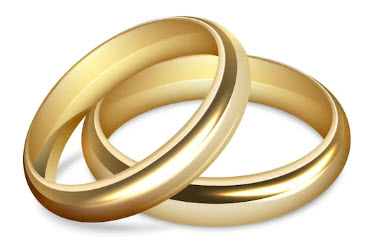
Wedding Rings

Red Roses
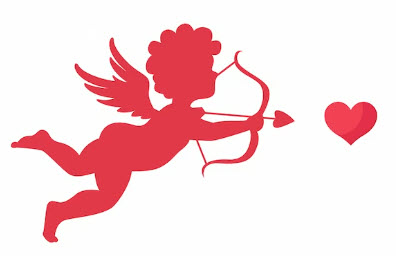
Cupid and Hearts
These images convey membership and political ideals.
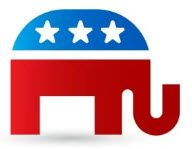
The Democrats
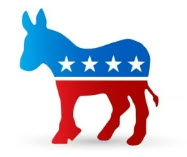
The Repulicans
Symbols are so powerful they literally confront us every day in an amazing blur of color, energy and meaning.
Below you can see yellow cabs, red busses, the US flag, loads of advertising, street signs and warning symbols.

It’s because of the power of symbols that they are used by marketers to create an emotional bond to their products and in time come to stand for so much more than just the product they represent.
THE POWER OF SIGNS AND SYMBOLS IN MARKETING
Consider these shoes. They look like a pretty standard pair of blue running shoes you might pay $100 for.

But put a fancy tick symbol on it and suddenly it costs twice that.
But why the change in value.
Because Nike do two things really well:
First; they make great products. No amount of promotion will sustain a really crappy product.
And secondly; they have spent millions of dollars making it into something more than a shoe. By sponsoring major sporting icons like Michael Jordan and Lindsay Davenport, and by creating dozens of legendary commercials, Nike has created a brand that means more than shoes. It now stands for – inspiration, empowering, determined, bold, and innovative.
The average runner believes that Nike can give them these superpowers just by putting them on.
Now that is a brand.
What is your brand going to stand for?
LET’S LEARN FROM THE GREAT LOGOS
Below is a fairly large collection of logos. I want you to look at all of them and then tell me what you notice about them. You have seen many of them already.














What stands out about these successful logo’s is how simple they are.
For the most part they are just three things.
- The name of the company or product
- One or two colors (except Google), and,
- A font.
And yet they all communicate their individual brand personalities perfectly.
Note also how the final three sets, which are all websites and web apps, are all landscape shaped logos. This is because they were all developed to work in the banner of webpages.
And yet when you go to the design packages like Canva and list their templates you see something very different.
This is what Canva provided for logo templates.
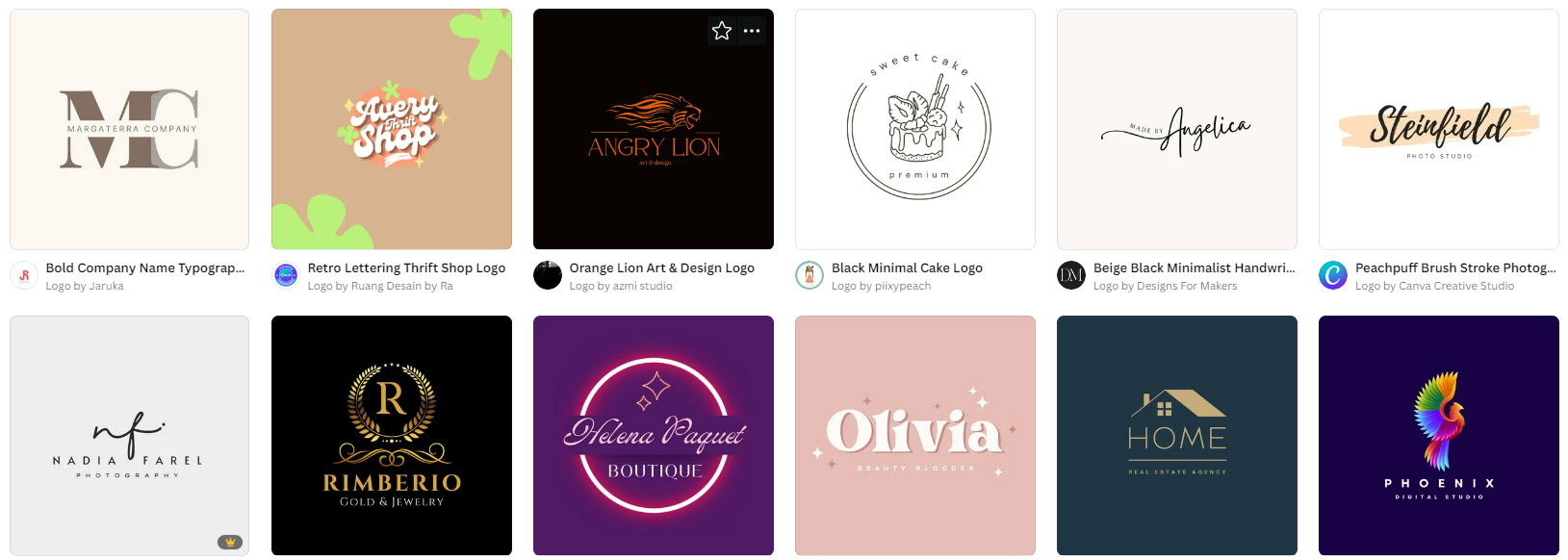
From the above list of examples, you can see that most of them are just trying too hard. They are all trying to be, what many people perceive to be a logo. A name, a font, a set of colors, and a bunch of accompanying image elements that are all arranged somewhat stylishly, and in my opinion, are all totally inappropriate as a blog site logo.
Admittedly Canva is used to design much more than blogsite logos – things like perfumes – etc, but if you look at the leading perfume logos you will find that they are largely just fonts and colors.
This in my opinion is the difference between the amateur and the professional. The professional understands that less is more. In the cluttered world of marketing the symbols that work the best are the simple ones. Designing these takes great skill.
CREATE YOUR LOGO
If you have been completing this module in the course order then you should be in a great place to start designing your logo.
By now you should have a name for your blog, a base color, a color palette, and one or more fonts you think represent your brand personality.
The simplest thing to do now is to play with this combination of elements until you arrive at a logo solution that you really like and that you think represents your blog’s strategic personality.
Create some logo options
Start up your favourite grahics package – something like Canva, Adobe, or maybe PowerPoint and type your blog name into a text box.
Now assign the font you have sellected.
Next give it the base color.
This is option number one. What does it look like? Play with it a little. Increase or decrease the weight of the font, change the distance between the letters, change the shade of the color you are using, maybe try it in all caps or all lower case, or a mix of both.
If you have not yet created anything suitable maybe try a different font, or swap in a different color from your palette.
It really is a case of trial and error until you get one you really like and that you think hits the brief.
Remember keep it simple.
ADD TO YOUR ICONOGRAPHY
It’s a good idea to add to your logo a set of other elements that you can use in different situations. Let’s look at an example of two companies’ brand iconography.
Facebook.
This is their logo.
And these are the accompanying logo components that suit different uses across the internet.
Microsoft


Its time to add these types of logo extras to your brand iconography. If you have an idea for a image of some sort then use that. Maybe you can try using just the first letter of your name with the same color and font as your logo.
Be creative and just keep playing with things until you have the items that you need.
Warning
This should go without saying but I will say it anyway.
If you create a powerful set of brand iconography and connect it to a really poor product (your content) then the effect will be exactly what you would expect.
People will see your logo and avoid it. They will avoid the links, videos, podcasts, websites, and social media posts associated with it.
You must make great content!