
Action Plan Two
Promote It.
Introduction
This is the part of System 6 where you learn how to tell the world about your product.
It is the part that most marketers enjoy the most and the part that most people think marketing is about.
However, there is no point in promoting a rubbish product. It will fail. Likewise, a great product without considerable promotion will also fail.
BUILD A PROMOTIONAL SYSTEM
Step one. Re-Visit your Marketing Plan
Your first task is to decide on and create a strategy for how you will go about promoting your product.
Review your marketing plan’s strategic statements, goals, and promotional tactic section. If your thinking has progressed further, then amend as you see fit.
Once you have completed this, you will have a specific list of activities that you will use to promote your blog overall and each post every time you post.
Review this part of the Marketing Plan course and review your promotional statements, promotional goals, and tactics.

After finishing this step, you will have established:
- Promotional statements,
- Turned those statements into promotional goals,
- Created a specific set of promotional activites.
Step two. Formalize Your Plan
In this step you will update your promotional calendar. List all the tactics you intend to deploy. It needs to be specific. When and what are you actually going to do.
Create or review your marketing calendar.

Upon completing this step, you will have an extremely clear:
- Set of activities to perform in support of every piece of content.
In professional lingo, what you now have are “promotional campaigns”. A set of actions supporting your strategic statements designed to achieve your strategic goals.
Step 3: Improve Your Promotional Skills
The are skills you will need tp practice to maximise the benefit you get from each of your promotional tactics.
For example – if you are going to create a Reddit entry for every post then you need to treat this activity as an ad. Its job is to drive your target audience to your content. It just can’t look like an ad.
The term ad needs to be nuanced because most people consider ads hard-sell product promotions like TV ads. But public relations is also advertising; it is a soft sell. You need to fly under the radar of the advertising police to achieve this.
Posting to Reddit and your Reddit following means writing an ad that adds value to your followers. You must follow the Reddit rules but achieve the same outcome – more page views.
Learn how to create good ads and copy:


Once you’ve completed these courses, you should:
- Have a clear understanding of what good advertising and copywriting is,
- Be able to deploy the methods learned here to start maximizing your promotional efforts.
These courses are not going to instantly make you an ad exec. You will have to practice and work at it. The goal is to maximise the affect your adverting and public relations outreach has and to get better at it than your competitors.
Step 4: Understand Social Media Promotion
Social media can be a problematic medium for the unpaid promotion of your blog. It is inherently “Social,” and most people don’t like being sold to in social settings.
You need to build relationships, which is where Carnegie’s teachings can be helpful.
When using social media to promote a blog, the fundamental premise is:
You need to give to get.
This course will teach you the right approach to each social media channel and how to approach each one.
Complete the course:

Once you’ve completed this course, you will have:
- Learned the differences between each of the different social media channels.
- Be able to begin your social media outreach promotional activities with confidence.
Step 5: Maximise your Success on the Search Channel (SEO)
No matter how effective your promotional activities are being organically found on Google will give your blog a significant boost.
However ranking highly on Google will often be about your existing pageviews of watches. Google likes this form of authority. It gives them confidence if a lot of other people are already using your content.
But you need to get the basics of SEO RIGHT. This course will show you how.
Complete the course:

Upon completing this course, you will understand:
- How SEO works,
- Understand how to improve your,
- Have a simple formula for SEO-compliant tactics for your posts and site.
Step 6: Write a Plan
This step is vital, and is now the right time to do it. You have chosen a brand name, developed a website, explored your opposition, and considered what will make your product unique and better.
It’s time to put all those developing thought processes into writing. It’s important because during this stage, you will:
- Develop the strategic foundation for your unique product
- Begin crafting your brand’s narrative.
- Write a mission statement,
- Identify your target audience,
- Make decisions about likely promotional channels and methods, and,
- Begin to consider your monetization routes.
Your marketing plan needs to be succinct and to the point. It’s a dynamic document you’ll continuously adapt and refine as your blog evolves and your promotional efforts expand.
Don’t panic; this is a quick and manageable step when you follow the provided guide.
This step is vital. Without a plan, you will lose focus and direction. You will waste time, wander off course, and even lose motivation.
A plan keeps you motivated and on-brief.
Complete the courses:

Upon completing these courses, you will have;
- Write your first draft marketing plan.
You will constantly revisit your plan, updating and changing it often as your strategic thinking evolves.
Keep it up-to-date, and make use of it often. It will keep you on the right track and help to motivate you.
Step 7: The Article List and Content Planning
It’s time to create a comprehensive and detailed article list. This step will help you create a content plan and produce a thorough product appealing to your target audience.
Once your list is finalized, you will categorize the content into structured groups or ‘buckets.’ Most niches consist of three to four primary areas of focus, which will become the cornerstone of your blog’s content.
This methodical categorization is vital for developing a well-rounded and complete product that effectively meets the needs and interests of your target audience.
Prioritize the topics from each bucket, beginning with the most pressing or relevant issues. This prioritization strategy is instrumental in shaping a product that engages your audience and brings them back.
Complete the course:

Upon completing this course, you will have;
- An extensive list of potential content to create,
- An organizational structure (buckets) for your content,
- Priority lists for each content bucket.
Step 8: Content Creation
Your primary product is content, and you must produce a substantial amount of high-quality content that caters to the needs and wants of your target audience.
The content creation course will guide you through various content types, their ideal lengths, creation timelines, ways to add value, and other essential aspects.
This course also teaches you how to develop a content calendar, a vital tool for consistently producing new content.
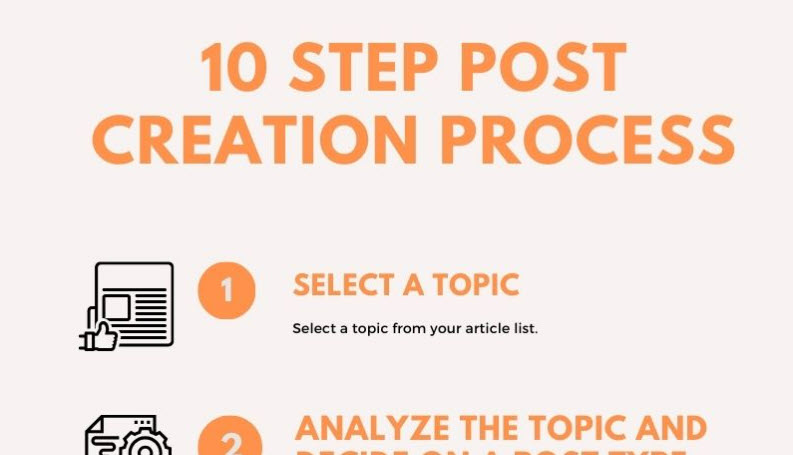
Finally, a 10-step process aimed at helping you regularly create high-quality content is suggested. This step is crucial, as it ensures that the heart of your product – your content – is engaging, valuable, and highly relevant to your audience.
Complete the course:

Upon completing this course, you will have;
- Learned the in’s and out’s of content creation,
- Created a content calendar,
- Learned a 10-point process for producing consistent, high-quality content.
Step 9: Produce Five Key Pieces of Content
Now is the time to prove that you can become a successful blogger. This can be the most challenging step for new bloggers but is the key to success.
Select five topics currently trending or highly relevant in your niche from your Article List. Create content on these topics using the process and guidelines provided in the previous chapter.
This initial batch of content will set the tone for your blog and begin to establish your presence in your chosen niche.
Review and apply the 10 step content creation process and create 5 pieces of content:
Upon completing this course, you will have;
- Created 5 pieces of original content for your blog,
- Practiced and refined* the 10-point process for creating high-quality content,
- Started to realize that creating quality content is more time-consuming than many make it out to be.
* Be sure to refine the 10 step process to suit your needs and the way you like to work. Just create a system that works for you and use it everytime. Then keep refining it till you can efficiently create lots of content in a structured and planned fashion.
If you are creating videos then you will write differently than for a blog site. You may write a script or story board your topic before production begins. It depends on what you are making and what works for you.
Step 10: REVISIT YOUR STRAT PLAN
Having spent time creating content for your blog, your ideas about what it should be will have matured a bit. It’s time to revisit your marketing plan and update it with this new thinking.
The “Keywords and Keyword Research” course is the course to do this step.
Given the amount of discussion and the sheer number of tools concerning “Keywords” online, you probably think you should have done this course much earlier. That would have been fine, but you did a great deal of keyword research when you developed your article list – we just didn’t call it that.
Now is the time to dive into this topic. The main reason for studying keywords is not to decide what words to use when you write (yes, you will do that) but because of what it tells you about your target audience.
Studying keywords is one of the best and most accessible forms of consumer research available to the blogger.
Keywords tell you two things:
- What does your target audience want to read about, and,
- How do they go about finding it?
With this expanded view of your target audience, you can update your marketing plan, building this understanding into the “Target Audience” section.
It’s also a good idea to revisit your “Article List” and update it with the essential keywords you find during this stage.
Complete the course:

Upon completing this course, you will have;
- Learned more about your target audience,
- Updated your marketing plan with this learning,
- Updated your article list with essential keywords.
Step 11: BRAND YOUR PRODUCT (The “BRAND IT” Stage)
Now that you have established your website, chosen your name, created some content, and developed your marketing plan, it’s time to focus on branding.
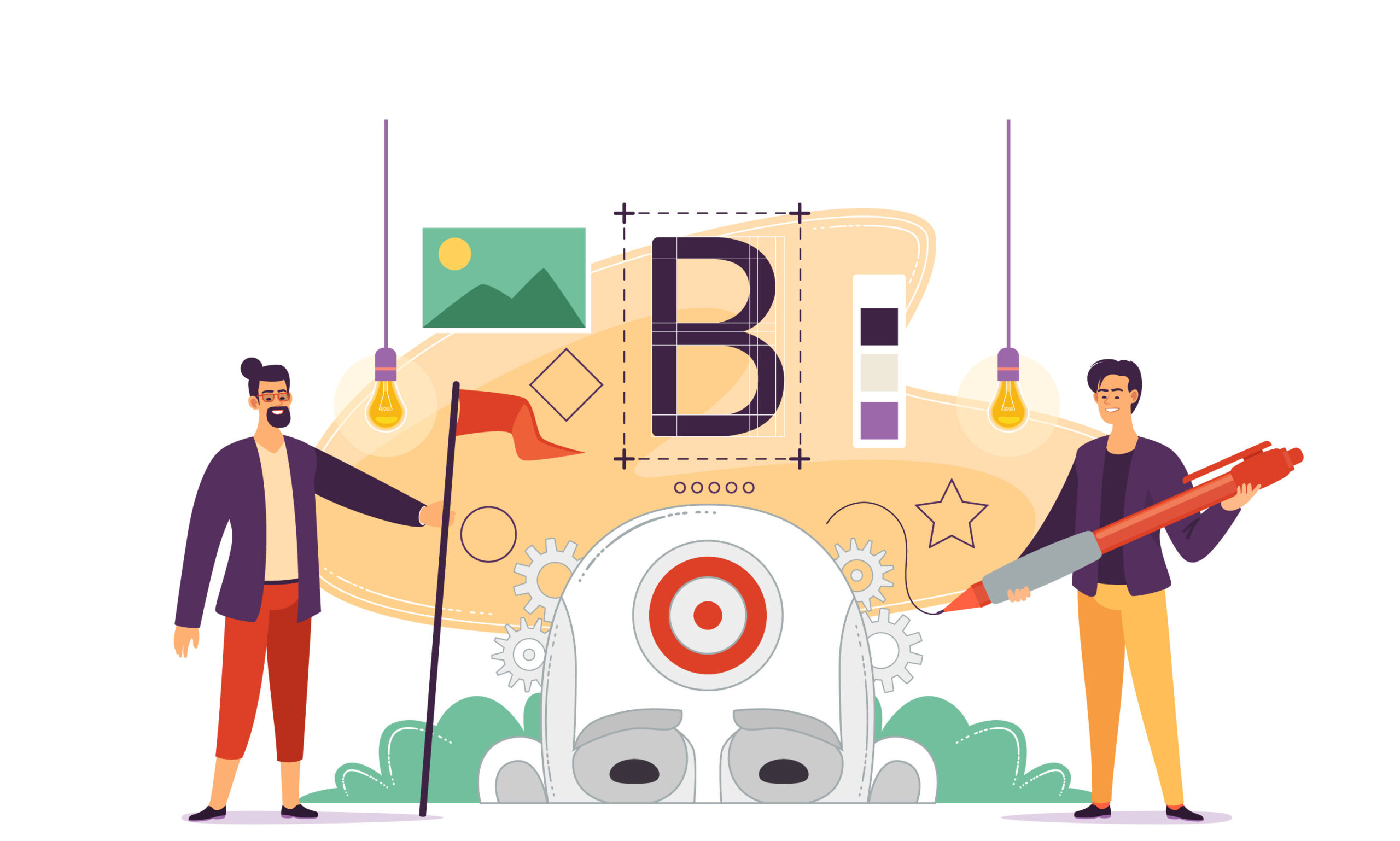
Branding involves creating a unique iconography and narrative that encapsulates your vision.
You’ve already written your marketing plan and have a sense of your brand narrative, which you’ve considered while creating content. Now, develop the brand iconography representing your position in the market within your niche.
Begin with the course on branding. Read through it thoroughly to understand the fundamentals of branding. This knowledge will guide you in shaping a distinctive brand identity that resonates with your audience and distinguishes you in your niche. Once you grasp the concepts in this course, you’ll be ready to develop your brand.
Complete the course:
Upon completing this course, you will have;
- Understand what branding is and why it is essential,
- Be ready to choose a color palette,
- Prepared to select fonts,
- Ready to create your brand iconography.
Step 12: SELECT YOUR BRANDS COLOR PALLETTE
Choosing the right color palette for your brand is a crucial step. Colors have a powerful subconscious impact on the perception of your brand. It’s important to select colors that align with your brand narrative, mission, and product positioning.
To guide you in this process, proceed with the course on color theory in Module 3. This thoughtful selection of colors will help ensure your brand effectively communicates its values and essence to your target audience.
Complete the course:

Upon completing this course, you will have;
- Identified a base color that reflects your product positioning,
- Developed a comprehensive color palette that complements your base color and brand position.
Step 13: SELECT YOUR BRANDS FONTS
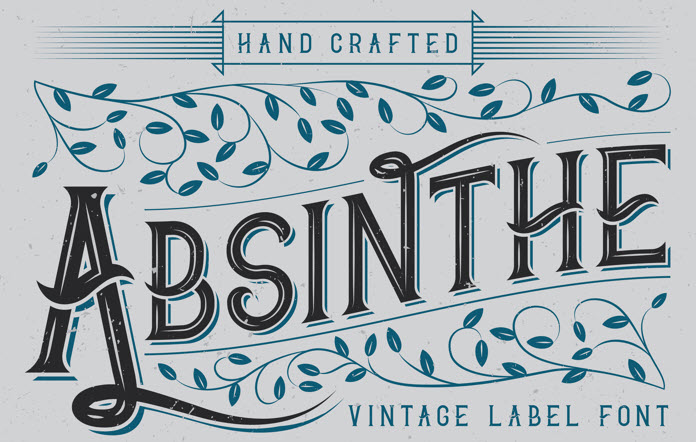
Colors are crucial in branding, but fonts are equally important, especially for a written blog. To understand the significance of font selection and how to choose the right ones, complete the course on fonts in Module 3.
Fonts will contribute to your blog’s aesthetic appeal and reinforce the brand identity. Remember, the chosen fonts should align with your brand’s character and be legible across various platforms and devices.
Complete the course:
Upon completing this course, you will have;
- Understood the impact of different fonts and typography on your brand’s perception.
- Selected two to three fonts that best represent and enhance your brand’s positioning.
Step 14: CREATE YOUR BRAND ICONOGRAPHY
Now, it’s time to create the distinctive and memorable elements of your brand, your iconography.
These elements must be ‘sticky’ – standing out amidst the clutter of the internet – so your target audience will easily recognize and associate them with your brand. This recognition will lead them to look forward to your contributions in your niche and prefer your content over others on the internet.
Proceed to the “Create Your Iconography” course in Module 3 and complete it. This course will guide you through designing unique visual elements representing your brand’s identity and values.
If you’re considering developing a podcast or YouTube channel, this is an opportunity to decide on the audio elements you’ll incorporate. Music and jingles can profoundly and subconsciously impact your audience, shaping mood, setting expectations, and fostering desire while establishing the scene and preparing your audience for the content you’re about to present.
Complete the course:

Upon completing this course, you will have;
- You will have a set of brand elements that capture the essence of your brand and resonate with your audience, enhancing brand recall and loyalty.
Step 15: CONTENT PRODUCTION AND CALENDAR REFINEMENT
It’s time to revisit and fine-tune your content calendar, ensuring it aligns with your capabilities and aspirations.
Your content calendar should be a living document that is continuously adapted. You may discover that you can produce more high-quality content than initially anticipated, or you might find that slowing down is necessary to enhance quality and develop your skills further.
Keep your expectations realistic, but simultaneously realize that you will not succeed without significant effort.
Once your calendar is updated, the focus shifts to consistently creating and uploading quality content to your site. Consistency in content production is as essential as the quality of the content itself.
Review the calendar creation section in the course Content Creation:

Upon completing this course, you will have;
- You will have a set of brand elements that capture the essence of your brand and resonate with your audience, enhancing brand recall and loyalty.
Step 16: ENHANCING YOUR SITES VALUE
It should now revisit Module 2 and the course on how to add value to your site. This course incorporates various features, sections, and elements that can benefit your niche audience.
This step goes beyond just content creation.
In this course, you’ll explore ways to make your site more user-friendly and valuable to your visitors. This could include tools, resources, interactive elements, or other additions that enhance the user experience.
The goal is to provide something that not only attracts visitors to your site but also gives them reasons to return. These value-added features can significantly differentiate your site from others, making it a go-to resource in your niche.
The value you provide to your audience is a crucial factor in building a loyal and engaged community.
Complete the courses:

Upon completing this course,
- Come up with some new ideas that will help your target audience over and above your regular posts.
Congratulations, you’ve successfully completed Action Plan 1! Now, the journey truly begins, and it’s over to you. Your primary focus should be on consistently creating exceptional content. Content that compels your target audience to bookmark your site, return frequently, share it with others, and link back to it organically, turning them into fans of your site. This is the key to growing your product.
Once you achieve this, Google and other search engines will take notice. Your SEO will naturally improve as these search engines are increasingly adept at recognizing and directing users to high-quality content. So, your task is to create valuable content without obsessing over SEO metrics, as quality will shine through.
As your page views and visits soar, it’s time to start thinking about monetization. This is where the following segments of our journey come into play, guiding you through turning your growing audience into a profitable venture.
Keep up the great work, and remember, the content creation and brand-building journey is ongoing and ever-evolving.