
Action Plan One
Build It. Brand It.
Introduction
This is the part of System 6 where you create your product.
It is the most crucial part.
The plan has been structured and ordered precisely, pointing you towards each course in the order in which you should complete them. Following each step as outlined is wise.
This is the path that a professional marketer would take to build and launch a new product.
At the end of this action plan, you will have successfully navigated the first two crucial marketing phases essential for any blogging brand manager: the “Build It” and “Brand It” stages of a new blog.
Think of the action plan as a structured journey, with each step you complete bringing you closer to your goal.
So, welcome to Action Plan 1. Just do it.
One final thing: I’ll be watching. So, if I see you not completing your tasks and falling behind, expect a gentle nudge from time to time to remind you of why you need to continue. I’m determined to make you successful.
Important!
During this course, there may be moments when you feel impatient, thinking, “This is wasting time. I just want to start creating a lot of content.”
It’s understandable to be eager to dive into content creation, but it’s important to recognize that each step of this course is crucial. These steps are designed to ensure that you have a clear understanding of what you’re creating and confidence in the existence of a sizable target audience that you can engage with and potentially sell to in the future.
So, while it’s natural to feel a bit frustrated, it’s important to stay focused and continue progressing through each step. Patience and thoroughness now will lay a solid foundation for your success later on.
If you already have an established blog and are actively managing it, you can advance directly to Step 5: Build Your Product.
However, it’s important to note that you should still review the Finding the Right Name course. Even if your blog is up and running, the name you choose plays a pivotal role in establishing your brand identity. Your name must be well-suited and impactful, as it’s one of the first elements that connect with your audience.
16 steps to a new product
Step one. Choosing a niche
Before beginning your blogging journey, the first crucial step is to decide on the focus of your blog. This involves selecting a broad category and then narrowing it down to a specific niche within that category.
It’s essential to choose a topic area that genuinely interests you, something you’re passionate about, or a subject where you have considerable knowledge.
This initial planning stage is foundational, setting the tone and direction for your blogging endeavor. Your chosen niche will guide your content creation and help attract and engage an audience that shares your interests or seeks your expertise.
Complete the course:

After finishing this course, you will have accomplished several critical steps in defining your blog’s direction.
- You will have identified a broad category,
- Narrowed it down to a specific sub-segment (niche), and,
- Determine the types of platforms best suited for your content, whether written posts, videos, audio formats, or a mixture.
Step two. Finding the right name
Selecting the ideal name for your blog is a crucial aspect of your branding strategy, as it is one of the critical elements in establishing your brand’s identity. It should be meaningful, hinting at what your blog is about while being memorable and ‘sticky.’
A well-chosen name simplifies promoting your blog, as it will resonate more easily with your audience and aid in building brand recognition.
Complete the course:

Upon completing this course, utilizing the methods provided to help you discover an excellent name, you will have the following;
- Found a sticky, brand-relevant name,
- Made some progress in shaping your brand narrative and positioning.
If you encounter difficulties at this stage (finding a good brand name can be tricky), you can always change the name later, a process known as rebranding.
However, it’s better to finalize your name before you start, if possible. Rebranding can be costly in terms of lost engagement and recognition if you change.
Step 3: Get Online
Once you have selected your niche and identified the perfect name, the next step is to establish your online presence. To achieve this, you must apply for and obtain your domain name, choose a reliable web hosting service, and start creating your website.
There are several courses you need to do to complete this step.
Complete the course:

Once you’ve completed step 3, you will have:
- Selected a domain host and purchased your domain name,
- Selected a web host and bought a managed WordPress account,
- Began to think about potential database hosts,
- Considered an email hosting option.
Step 4: Construct Your Website
Your task now is to develop your website using WordPress. To do this effectively, you should complete the following three courses. Upon finishing these courses, you will have a fully functional website ready to publish the posts you need to write.
Complete the courses:



Once you’ve completed step 4, you will have:
- Built a rudimentary WordPress website and:
- be able to navigate the WordPress dashboard with confidence,
- chosen and formatted a theme, and,
- added and formatted posts to your site.
Note that even if you intend to build a YouTube channel or a podcast, you will need a website.
Laying out a website with all its branding will help you plan the structure and design of your offer, help define who you are, create your brand narrative, make product offers, and help build authority and trust with your prospective target audience.
Step 5: Develop Your Product Strategy
You have built a rudimentary website but have not yet made a product. A website is not a product. It houses what will become your product.
In the context of your offering to your target audience, a product can take various forms. It might be an instructional site providing educational content, an inspirational site offering motivational material, an entertainment site delivering engaging and enjoyable content, an online shop featuring products for sale, a game providing interactive fun, among many other possibilities. Essentially, your product is whatever good or service you create that meets the needs or interests of your target audience.
But a great product for a business blogger is much more than just a blog. A great product must:
- Satisfy an underlying need or want of the target audience and,
- It must be better than your opposition.
You need to complete these two courses to see how this is done.
The first step – research your opposition will do two things for you.
- It allows you to thoroughly explore your niche. You will be able to determine the structure of the content you need to create, the most suitable format for this content, and the critical content ‘buckets’ or categories that your content should encompass, and,
- You will get an up-close examination of your competition. It marks your initial foray into serious market research. By analyzing your competitors, you gain insights into the landscape of your niche, understand what others are doing, and identify their strengths and weaknesses. This knowledge is crucial in shaping the direction you need to take to differentiate yourself and excel.
Complete the courses:

Upon completing this course, you will understand what it is that constitutes a great product and some essential concepts like;
- The USP (Unique Selling Proposition) and,
- What is your opposition doing in the niche?
This step is a critical component of your business blogging strategy. The decisions you make here can significantly impact your blogging efforts’ overall effectiveness and reach.
Step 6: Write a Plan
This step is vital, and is now the right time to do it. You have chosen a brand name, developed a website, explored your opposition, and considered what will make your product unique and better.
It’s time to put all those developing thought processes into writing. It’s important because during this stage, you will:
- Develop the strategic foundation for your unique product
- Begin crafting your brand’s narrative.
- Write a mission statement,
- Identify your target audience,
- Make decisions about likely promotional channels and methods, and,
- Begin to consider your monetization routes.
Your marketing plan needs to be succinct and to the point. It’s a dynamic document you’ll continuously adapt and refine as your blog evolves and your promotional efforts expand.
Don’t panic; this is a quick and manageable step when you follow the provided guide.
This step is vital. Without a plan, you will lose focus and direction. You will waste time, wander off course, and even lose motivation.
A plan keeps you motivated and on-brief.
Complete the courses:

Upon completing these courses, you will have;
- Write your first draft marketing plan.
You will constantly revisit your plan, updating and changing it often as your strategic thinking evolves.
Keep it up-to-date, and make use of it often. It will keep you on the right track and help to motivate you.
Step 7: The Article List and Content Planning
It’s time to create a comprehensive and detailed article list. This step will help you create a content plan and produce a thorough product appealing to your target audience.
Once your list is finalized, you will categorize the content into structured groups or ‘buckets.’ Most niches consist of three to four primary areas of focus, which will become the cornerstone of your blog’s content.
This methodical categorization is vital for developing a well-rounded and complete product that effectively meets the needs and interests of your target audience.
Prioritize the topics from each bucket, beginning with the most pressing or relevant issues. This prioritization strategy is instrumental in shaping a product that engages your audience and brings them back.
Complete the course:

Upon completing this course, you will have;
- An extensive list of potential content to create,
- An organizational structure (buckets) for your content,
- Priority lists for each content bucket.
Step 8: Content Creation
Your primary product is content, and you must produce a substantial amount of high-quality content that caters to the needs and wants of your target audience.
The content creation course will guide you through various content types, their ideal lengths, creation timelines, ways to add value, and other essential aspects.
This course also teaches you how to develop a content calendar, a vital tool for consistently producing new content.
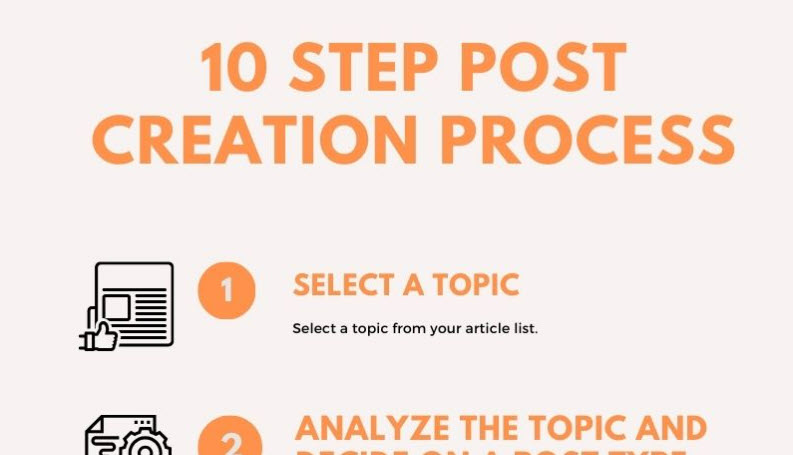
Finally, a 10-step process aimed at helping you regularly create high-quality content is suggested. This step is crucial, as it ensures that the heart of your product – your content – is engaging, valuable, and highly relevant to your audience.
Complete the course:

Upon completing this course, you will have;
- Learned the in’s and out’s of content creation,
- Created a content calendar,
- Learned a 10-point process for producing consistent, high-quality content.
Step 9: Produce Five Key Pieces of Content
Now is the time to prove that you can become a successful blogger. This can be the most challenging step for new bloggers but is the key to success.
Select five topics currently trending or highly relevant in your niche from your Article List. Create content on these topics using the process and guidelines provided in the previous chapter.
This initial batch of content will set the tone for your blog and begin to establish your presence in your chosen niche.
Review and apply the 10 step content creation process and create 5 pieces of content:
Upon completing this course, you will have;
- Created 5 pieces of original content for your blog,
- Practiced and refined* the 10-point process for creating high-quality content,
- Started to realize that creating quality content is more time-consuming than many make it out to be.
* Be sure to refine the 10 step process to suit your needs and the way you like to work. Just create a system that works for you and use it everytime. Then keep refining it till you can efficiently create lots of content in a structured and planned fashion.
If you are creating videos then you will write differently than for a blog site. You may write a script or story board your topic before production begins. It depends on what you are making and what works for you.
Step 10: REVISIT YOUR STRAT PLAN
Having spent time creating content for your blog, your ideas about what it should be will have matured a bit. It’s time to revisit your marketing plan and update it with this new thinking.
The “Keywords and Keyword Research” course is the course to do this step.
Given the amount of discussion and the sheer number of tools concerning “Keywords” online, you probably think you should have done this course much earlier. That would have been fine, but you did a great deal of keyword research when you developed your article list – we just didn’t call it that.
Now is the time to dive into this topic. The main reason for studying keywords is not to decide what words to use when you write (yes, you will do that) but because of what it tells you about your target audience.
Studying keywords is one of the best and most accessible forms of consumer research available to the blogger.
Keywords tell you two things:
- What does your target audience want to read about, and,
- How do they go about finding it?
With this expanded view of your target audience, you can update your marketing plan, building this understanding into the “Target Audience” section.
It’s also a good idea to revisit your “Article List” and update it with the essential keywords you find during this stage.
Complete the course:

Upon completing this course, you will have;
- Learned more about your target audience,
- Updated your marketing plan with this learning,
- Updated your article list with essential keywords.
Step 11: BRAND YOUR PRODUCT (The “BRAND IT” Stage)
Now that you have established your website, chosen your name, created some content, and developed your marketing plan, it’s time to focus on branding.
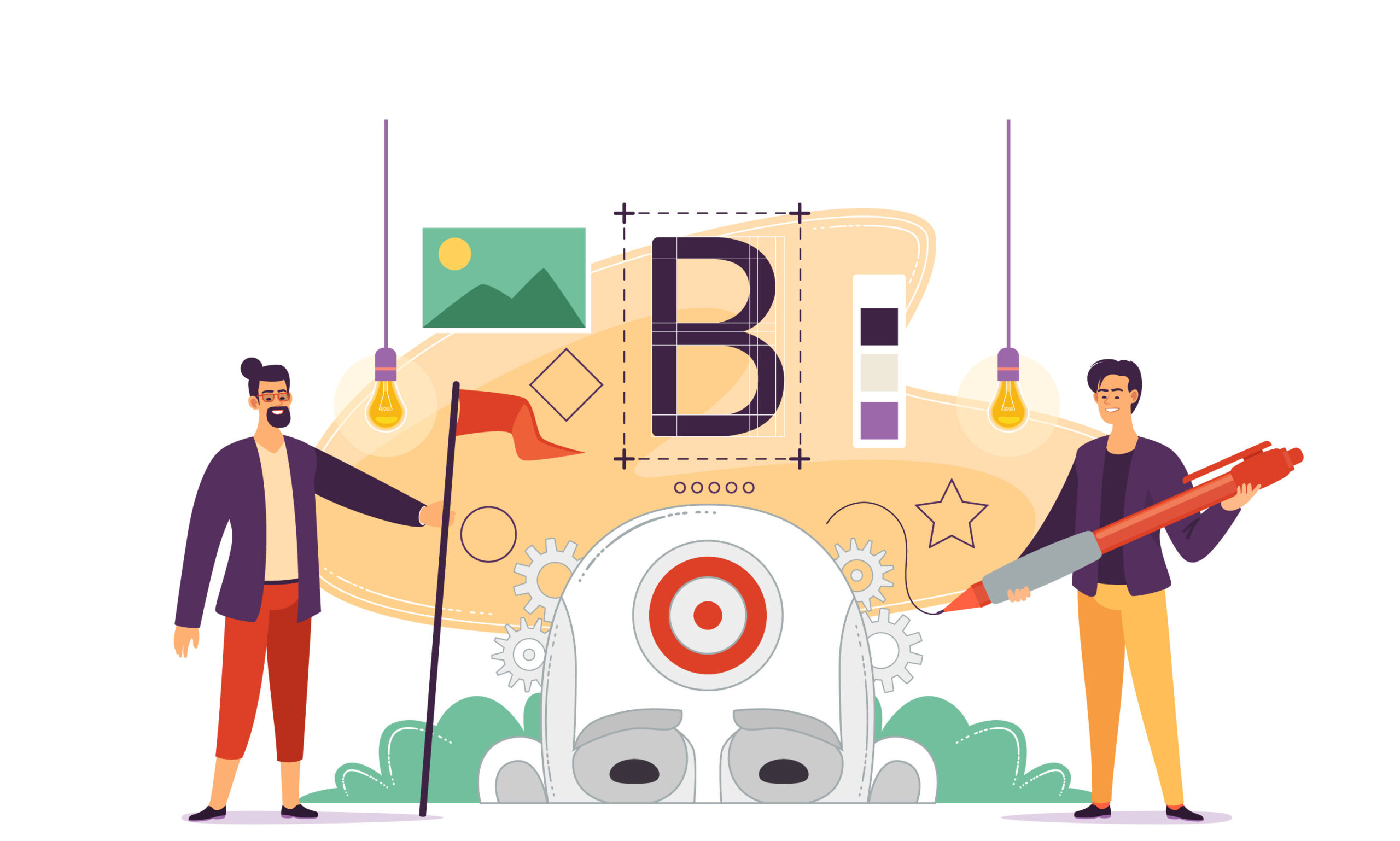
Branding involves creating a unique iconography and narrative that encapsulates your vision.
You’ve already written your marketing plan and have a sense of your brand narrative, which you’ve considered while creating content. Now, develop the brand iconography representing your position in the market within your niche.
Begin with the course on branding. Read through it thoroughly to understand the fundamentals of branding. This knowledge will guide you in shaping a distinctive brand identity that resonates with your audience and distinguishes you in your niche. Once you grasp the concepts in this course, you’ll be ready to develop your brand.
Complete the course:
Upon completing this course, you will have;
- Understand what branding is and why it is essential,
- Be ready to choose a color palette,
- Prepared to select fonts,
- Ready to create your brand iconography.
Step 12: SELECT YOUR BRANDS COLOR PALLETTE
Choosing the right color palette for your brand is a crucial step. Colors have a powerful subconscious impact on the perception of your brand. It’s important to select colors that align with your brand narrative, mission, and product positioning.
To guide you in this process, proceed with the course on color theory in Module 3. This thoughtful selection of colors will help ensure your brand effectively communicates its values and essence to your target audience.
Complete the course:

Upon completing this course, you will have;
- Identified a base color that reflects your product positioning,
- Developed a comprehensive color palette that complements your base color and brand position.
Step 13: SELECT YOUR BRANDS FONTS
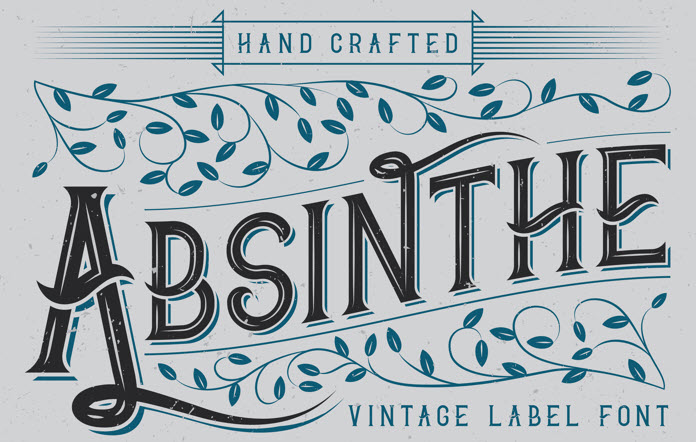
Colors are crucial in branding, but fonts are equally important, especially for a written blog. To understand the significance of font selection and how to choose the right ones, complete the course on fonts in Module 3.
Fonts will contribute to your blog’s aesthetic appeal and reinforce the brand identity. Remember, the chosen fonts should align with your brand’s character and be legible across various platforms and devices.
Complete the course:
Upon completing this course, you will have;
- Understood the impact of different fonts and typography on your brand’s perception.
- Selected two to three fonts that best represent and enhance your brand’s positioning.
Step 14: CREATE YOUR BRAND ICONOGRAPHY
Now, it’s time to create the distinctive and memorable elements of your brand, your iconography.
These elements must be ‘sticky’ – standing out amidst the clutter of the internet – so your target audience will easily recognize and associate them with your brand. This recognition will lead them to look forward to your contributions in your niche and prefer your content over others on the internet.
Proceed to the “Create Your Iconography” course in Module 3 and complete it. This course will guide you through designing unique visual elements representing your brand’s identity and values.
If you’re considering developing a podcast or YouTube channel, this is an opportunity to decide on the audio elements you’ll incorporate. Music and jingles can profoundly and subconsciously impact your audience, shaping mood, setting expectations, and fostering desire while establishing the scene and preparing your audience for the content you’re about to present.
Complete the course:

Upon completing this course, you will have;
- You will have a set of brand elements that capture the essence of your brand and resonate with your audience, enhancing brand recall and loyalty.
Step 15: CONTENT PRODUCTION AND CALENDAR REFINEMENT
It’s time to revisit and fine-tune your content calendar, ensuring it aligns with your capabilities and aspirations.
Your content calendar should be a living document that is continuously adapted. You may discover that you can produce more high-quality content than initially anticipated, or you might find that slowing down is necessary to enhance quality and develop your skills further.
Keep your expectations realistic, but simultaneously realize that you will not succeed without significant effort.
Once your calendar is updated, the focus shifts to consistently creating and uploading quality content to your site. Consistency in content production is as essential as the quality of the content itself.
Review the calendar creation section in the course Content Creation:

Upon completing this course, you will have;
- You will have a set of brand elements that capture the essence of your brand and resonate with your audience, enhancing brand recall and loyalty.
Step 16: ENHANCING YOUR SITES VALUE
It should now revisit Module 2 and the course on how to add value to your site. This course incorporates various features, sections, and elements that can benefit your niche audience.
This step goes beyond just content creation.
In this course, you’ll explore ways to make your site more user-friendly and valuable to your visitors. This could include tools, resources, interactive elements, or other additions that enhance the user experience.
The goal is to provide something that not only attracts visitors to your site but also gives them reasons to return. These value-added features can significantly differentiate your site from others, making it a go-to resource in your niche.
The value you provide to your audience is a crucial factor in building a loyal and engaged community.
Complete the courses:

Upon completing this course,
- Come up with some new ideas that will help your target audience over and above your regular posts.
Congratulations, you’ve successfully completed Action Plan 1! Now, the journey truly begins, and it’s over to you. Your primary focus should be on consistently creating exceptional content. Content that compels your target audience to bookmark your site, return frequently, share it with others, and link back to it organically, turning them into fans of your site. This is the key to growing your product.
Once you achieve this, Google and other search engines will take notice. Your SEO will naturally improve as these search engines are increasingly adept at recognizing and directing users to high-quality content. So, your task is to create valuable content without obsessing over SEO metrics, as quality will shine through.
As your page views and visits soar, it’s time to start thinking about monetization. This is where the following segments of our journey come into play, guiding you through turning your growing audience into a profitable venture.
Keep up the great work, and remember, the content creation and brand-building journey is ongoing and ever-evolving.